The CT scan glowed ominously on the lightboard, its gray-scale images revealing the unnatural bloom in Lila’s Adewale temporal lobe. Dr. Nathan Adewale—Chief of Neurosurgery at Mass General automatically noted the tumor’s dimensions (3.2cm x 2.8cm), its irregular borders, the way its tendrils insinuated themselves around healthy tissue like ivy choking an oak. His trained eyes saw what the radiology report would confirm in sterile medical jargon: glioblastoma multiforme, grade IV.
“Nine months,” murmured Dr. Raj Patel, Nathan’s scrub nurse and closest friend, his voice muffled by the surgical mask still hanging around his neck. “Maybe twelve with the new immunotherapy trial.”
Nathan’s hands—steady through 647 brain surgeries—trembled as he removed his wire-rimmed glasses. The fluorescent lights reflected off the polished linoleum, casting double images of the two men standing in silence before the damning scans.
The hospital chapel smelled of old hymnals and lemon polish. Nathan’s Italian leather shoes clicked against the marble as he approached the stained glass window depicting Christ healing the blind man—the same window he passed daily for twelve years without a glance. Today, the morning light transformed it into a kaleidoscope of color that burned his sleep-deprived eyes.
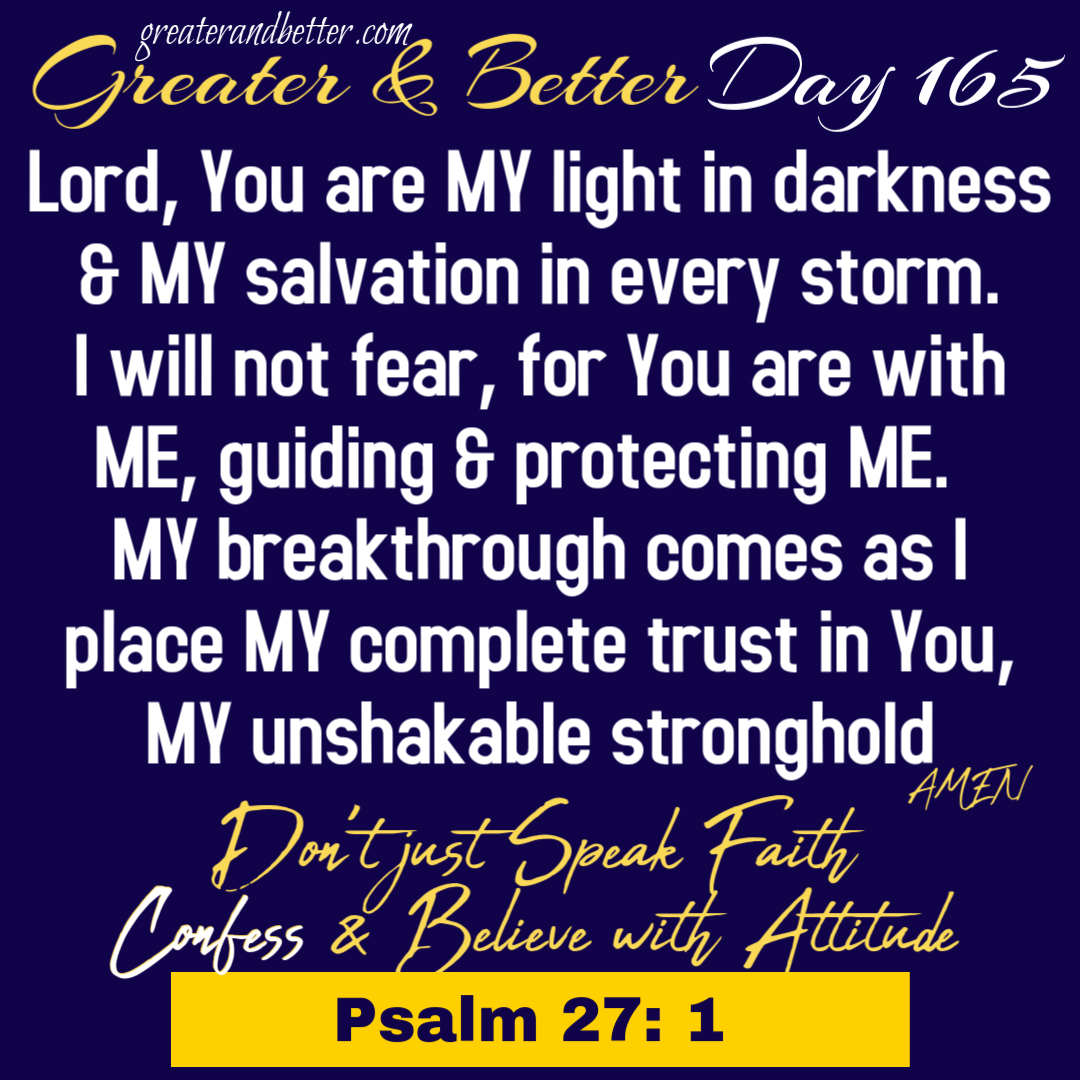
His mother’s Bible, kept in his office desk since her funeral, fell open to Psalm 27:1, the page still bearing her elegant marginalia: “For N—when the night comes. Love, Mom.”
“The Lord is my light and my salvation—whom shall I fear?”
The verse mocked him. He’d spent his life fixing broken brains, only to watch the woman he loved most succumb to the very chaos he’d dedicated his career to defeating.
The chemo suite at Dana-Farber smelled like rubbing alcohol and false hope. Nathan watched the poison drip into his wife’s veins, each drop carrying promises and lies in equal measure. Lila—his fiery Irish neurosurgery resident turned world-class pediatric surgeon had been reduced to a waxen figure in a pink beanie that failed to hide the betrayal of her body.
At 3:17 AM on what Nathan’s Fitbit insisted was Tuesday, he found her sitting by their bedroom window, her silhouette backlit by the Boston skyline. The cannula still trailed from her nose to the oxygen concentrator humming in the corner.
“Can’t sleep?” He reached for her hand—the same hand that had once sutured a newborn’s artery under fire in a Syrian field hospital now skeletal beneath his fingers.
Lila’s voice was hoarse from the intubation tubes. “Remember our first date? That downpour outside Gr8r Seafood?”
Nathan’s throat tightened. July 12, 2008. They’d shared fried clams while debating the merits of endoscopic versus microscopic approaches to pituitary adenomas. The skies had opened as they left, and they’d sprinted laughing down Atlantic Avenue, taking shelter under a bakery awning, their clothes soaked through.
“You carried me home that night,” Lila whispered, her breath fogging the glass.
Nathan remembered the weight of her in his arms, her auburn hair dripping onto his shirt, the way she’d kissed him at her doorstep, all brine and boldness. Now her hospital gown hung like a sail in still air, her collarbones sharp enough to cut glass.
Outside, the first hint of dawn gilded the Prudential Tower. The oxygen machine clicked rhythmically. And Nathan understood this verse wasn’t about banishing darkness. It was about finding just enough light to see the next step.
Five years later, the same chapel window cast prismatic light across Lila’s face as she held their granddaughter on her lap. Little Ellie, named for Nathan’s mother pointed chubby fingers at the coloured glass.
“Gamma, what’s that shiny one?”
“That’s Venus, mo stóirín.” Lila’s brogue thickened when she spoke to the child, just as it had when she’d first charmed Nathan in the OR. “The morning star. It reminds us…” Her eyes met Nathan’s across the pew. “…light comes even when we can’t see the sun.”
Nathan’s pager buzzed, a Level 1 trauma incoming. His fingers brushed the well-worn page in his pocket notebook where he’d recorded every miracle and setback of Lila’s journey: Feb 12—MRI clear. June 8—Lila walked 3 miles. Sept 3—First surgery back.
The medical board called it an anomaly. The oncology team wrote papers about her case. Nathan knew the truth, they’d walked through the valley of the shadow, and Someone had walked with them.
Heavenly Father, when the scans terrify and the nights lengthen, be my first dawn. Forgive me for railing against shadows You’ve already overcome. Help me, like David, to declare Your presence before the battle ends—to sing in the cave what I’ll shout from the rooftop. In Jesus Name, Amen.
The same God who made stars also made glowworms—both light-bearers in their season.