Mara Johnson wiped flour-dusted hands on her apron as she stared at the letter, its crisp edges digging into her palms. The words “Funding Denied” blurred through her tears. Three years—three years of grant applications, business plans, and sleepless nights dreaming of the Gr8r Horizons Youth Center—gone with one form letter.
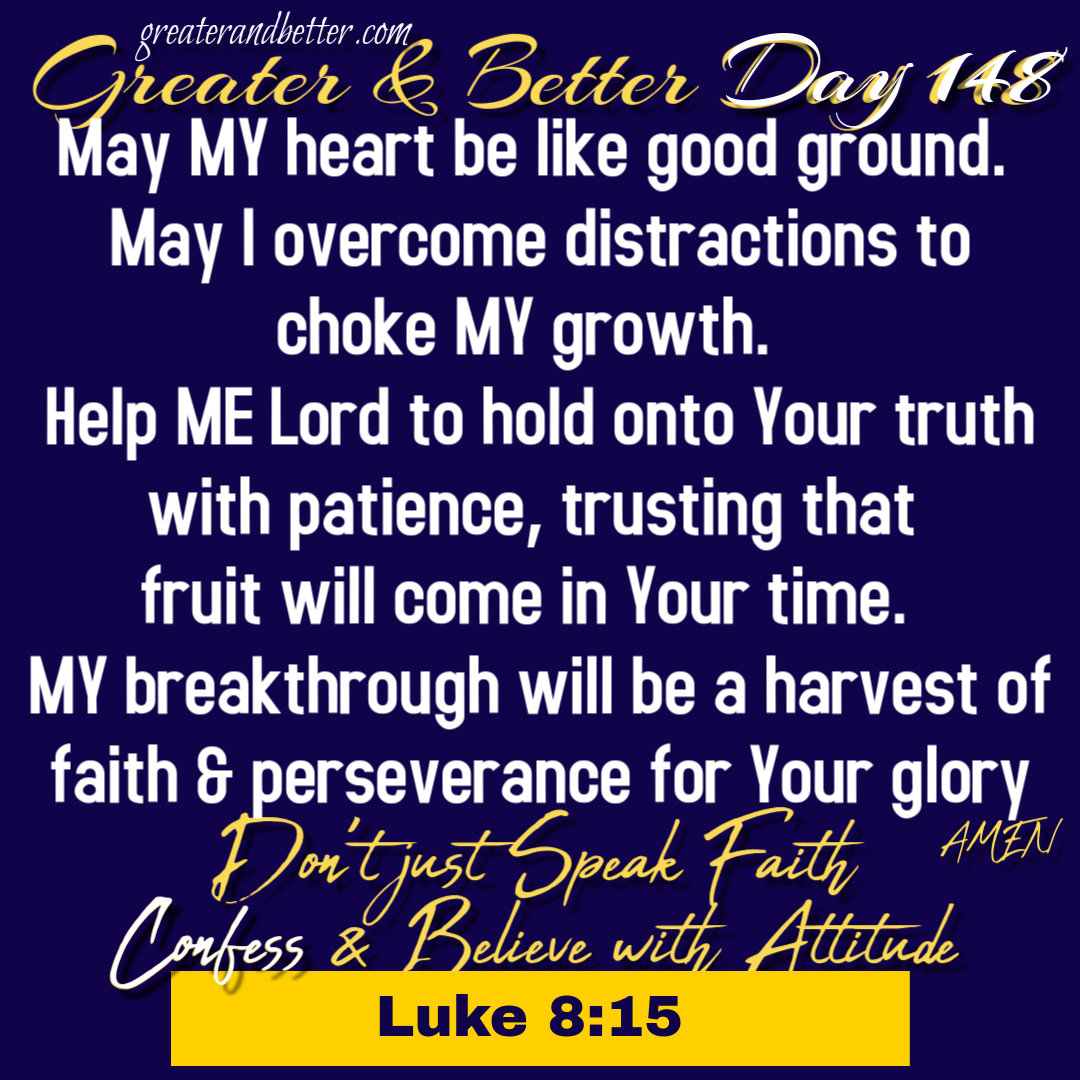
The autumn rain mirrored her mood as it lashed against the windows of her cramped studio above Joe’s Diner. She sank onto the thrift-store couch, its springs groaning in protest, and reached for her Bible. The leather cover, worn soft from decades of use, fell open to Luke 8:15, the verse grandmother Nana had underlined in her distinctive looping script:
“But the seed on good soil stands for those with a noble and good heart, who hear the word, retain it, and by persevering produce a crop.”
Mara traced the indented letters, remembering Nana’s voice: “Sugar, God’s promises ain’t fast food—they’re slow-cooked blessings.” But at 28, with student loans choking her and this latest rejection, slow felt like never.
Across the room, her vision board mocked her—photos of abandoned lots she’d hoped to transform, sketches of after-school programs, a sticky note with “Isaiah 61:3—beauty from ashes” in her rushed handwriting. She yanked it off the wall, the pushpins scattering like her dreams.
The diner’s bell jingled as Mara pushed through the staff door the next morning. “You’re late,” snapped Brenda, the manager, her coral nails tapping the order counter. The breakfast rush was in full swing—eggs sizzling, bacon popping, and the perpetual gurgle of the ancient coffee maker.
“Table four’s complaining about their pancakes,” Brenda hissed. “Fix it.”
Mara pasted on a smile and approached the booth where Mr. Thompson sat, his gnarled hands cradling a chipped mug. At 82, he was her favourite regular—a retired teacher who always left copies of The Atlantic on his seat for her. Today, his sharp blue eyes missed nothing.
“You look like somebody kicked your puppy,” he remarked as she refilled his coffee.
The kindness undid her. The story spilled out—the rejected grants, the dwindling savings, the fear she’d wasted her social work degree waiting tables.
Mr. Thompson listened, stirring his coffee long after the sugar dissolved. Finally, he said, “My Martha—God rest her—waited twelve years to open her bookstore. Folks told her it’d never work.” He pulled a folded clipping from his wallet—a yellowed newspaper feature on Thompson’s Tomes, the iconic Black-owned bookstore that had become a city landmark. “Know what kept her going?”
Mara shook her head.
“That same verse you’re clinging to.” He tapped the cover of her apron-pocket Bible. “Good soil don’t mean no storms, girl. It means you’re rooted deep enough to survive ’em.”
Winter came early. Mara’s ancient radiator coughed and died, leaving her to huddle under Nana’s quilt, her breath visible in the frigid air. The final rejection letter—this time from the city’s urban development fund—lay heavy on her chest.
“Maybe this isn’t God’s plan,” she whispered to the darkness.
Then her phone buzzed. A text from Mr. Thompson: “Check your mailbox.”
Inside, she found a key and an address scribbled on a napkin from the diner.
The abandoned church on Elm Street stood weathered but proud, its stained-glass windows still catching the morning light. Mr. Thompson waited on the steps, a stack of paperwork in hand.
“Martha’s inheritance,” he said. “Paid off last month. Zoning’s approved for community use.” He pressed the deed into her shaking hands. “Your first year’s rent-free if you name a reading corner after my wife.”
Five years later, Mara wiped paint from her hands as teenagers transformed the sanctuary walls into a mural of Black luminaries—from Maya Angelou to Chadwick Boseman. In the kitchen, former gang members prepped meals for the after-school program. And in Martha’s Reading Nook, a little girl sounded out words beneath Nana’s framed Bible verse.
At the anniversary celebration, Mara hugged Mr. Thompson tight. “You believed before I did,” she whispered.
He chuckled. “Nah, child. That verse believed for you.”
Luke 8:15 isn’t about perfect conditions—it’s about prepared hearts. Like Mara, you may not see growth until the season changes, but God is cultivating something eternal beneath the surface.
- Rejection is redirection – Every “no” steers you toward God’s perfect “yes”
- Community is God’s greenhouse – Mr. Thompson was the hands that helped the seed grow
- Legacies live in loaves – Nana’s faith fed Mara’s future
Heavenly Father, till the soil of my heart. When dreams lie dormant and the world says ‘waste,’ remind me You’re composting my tears into fertilizer. Help me to root deeply in Your Word, weather life’s droughts, and trust Your harvest timing. In Jesus’ name, Amen.